
Bulloneria industriale e componenti speciali a disegno
Standard. Speciali. Precisione.
Forniamo bulloneria industriale standard e inox, sistemi di fissaggio e componenti di precisione. Realizziamo e approvvigioniamo particolari speciali a disegno per applicazioni industriali.
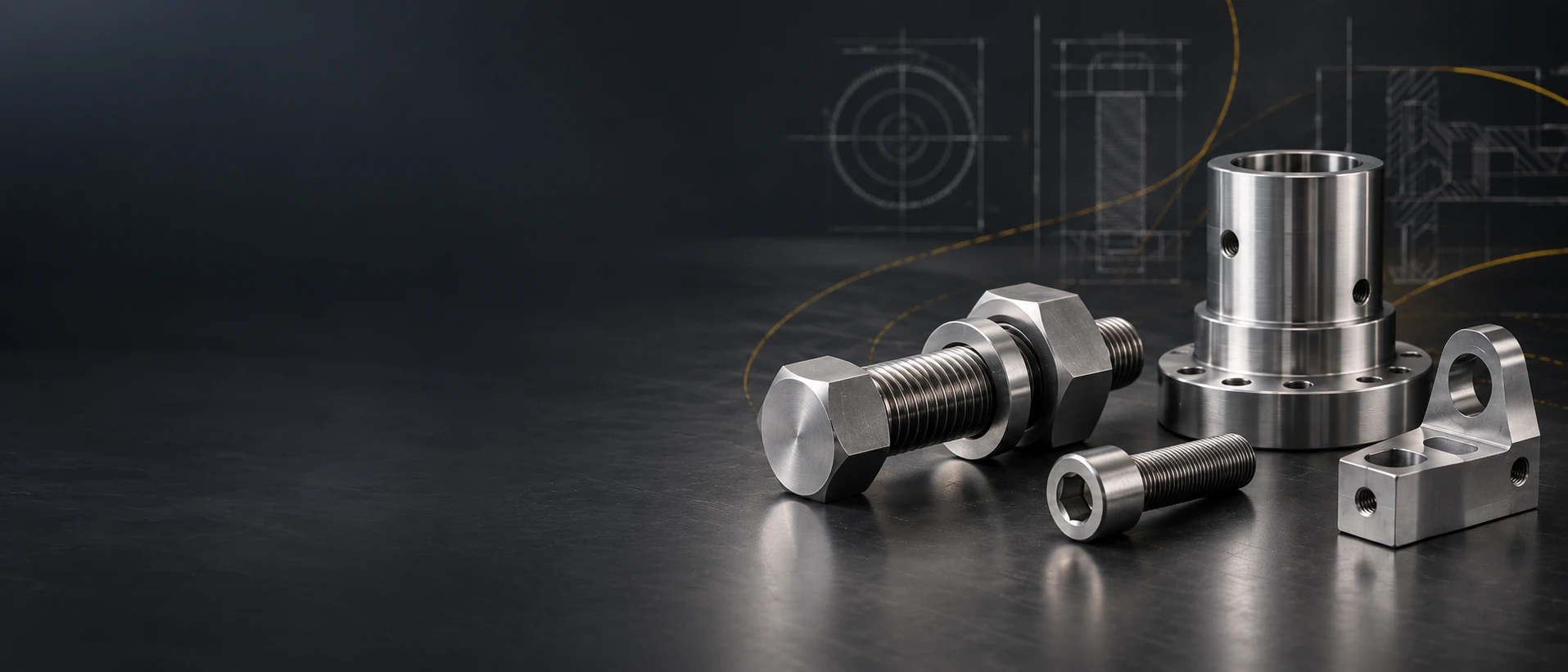
Soluzioni per l’industria
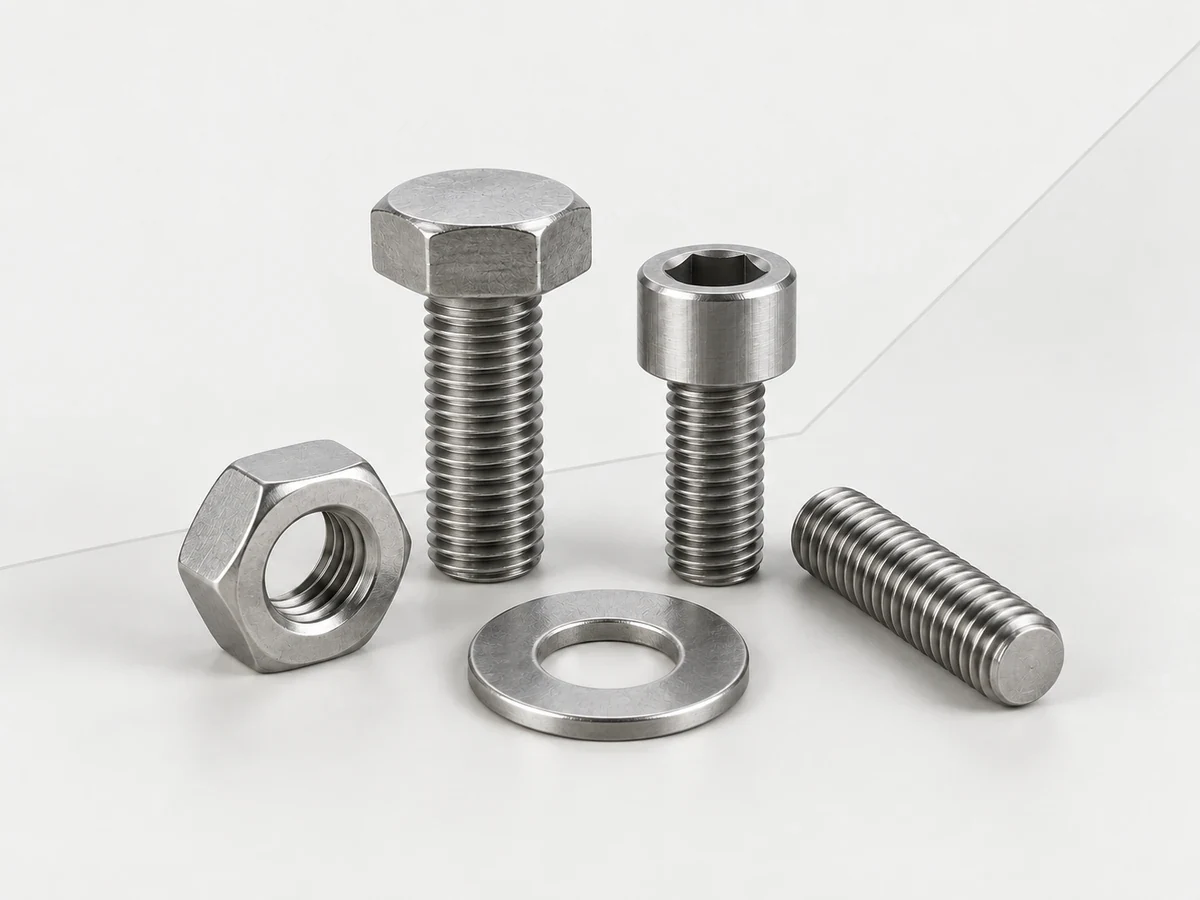
Bulloneria e fissaggio
Prodotti standard, inox e sistemi per l’assemblaggio industriale.
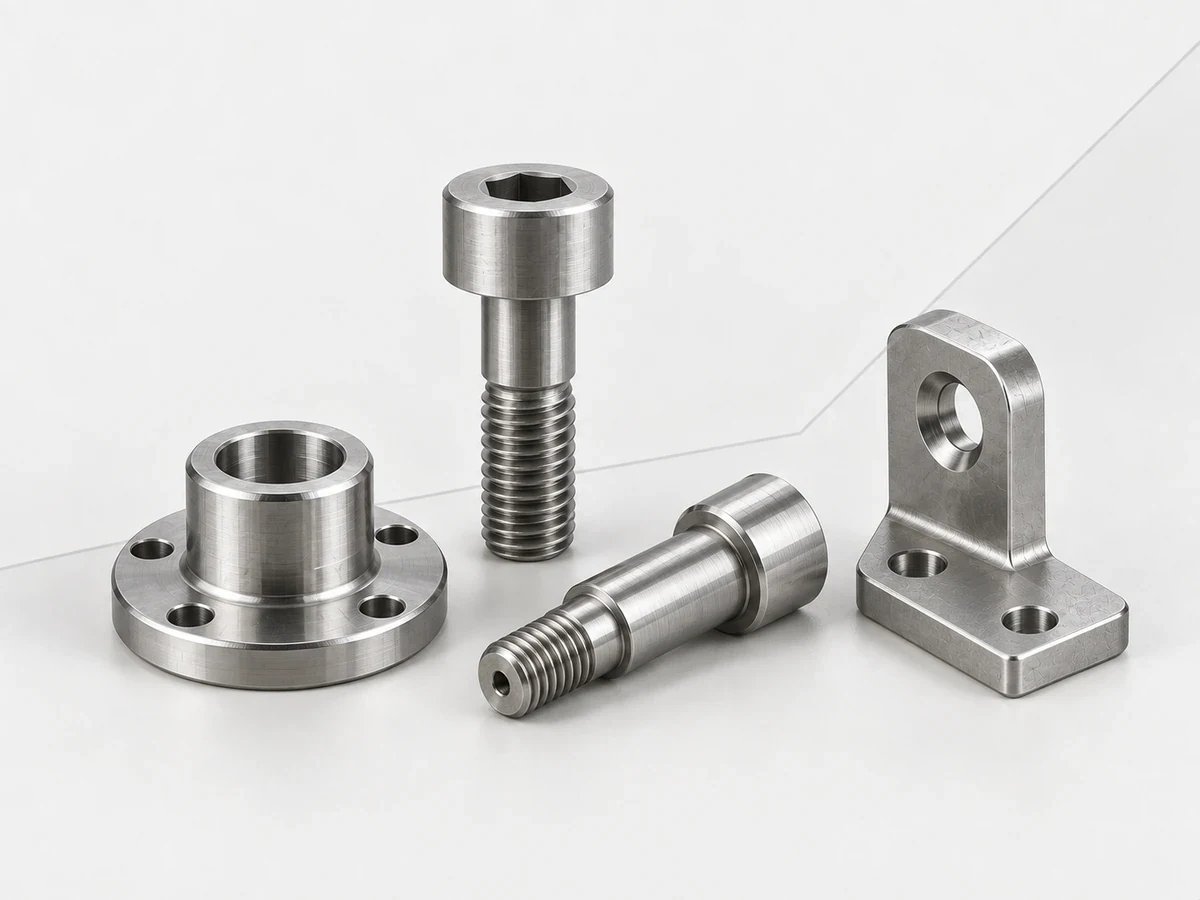
Speciali a disegno
Componenti sviluppati secondo disegno, specifica o campione.
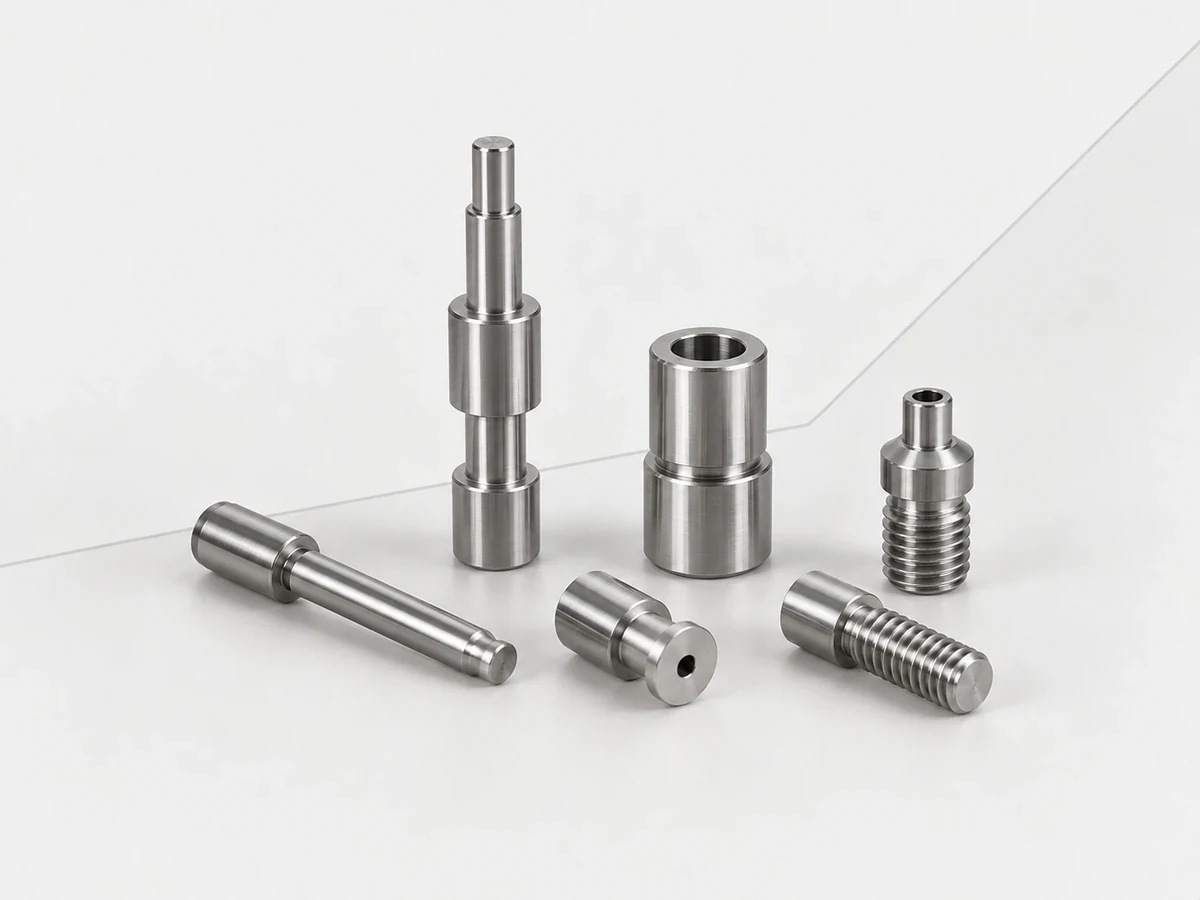
Componenti di precisione
Particolari torniti CODEC, perni e assi ADAX.
Forniture industriali
Sourcing tecnico, programmi di fornitura e supporto logistico.
Bulloneria industriale, componenti speciali e soluzioni su misura
Dalla bulloneria standard ai sistemi di fissaggio e ai particolari a disegno: componenti e soluzioni per le esigenze della tua produzione.
Esplora tutti i prodottiParticolari speciali a disegno
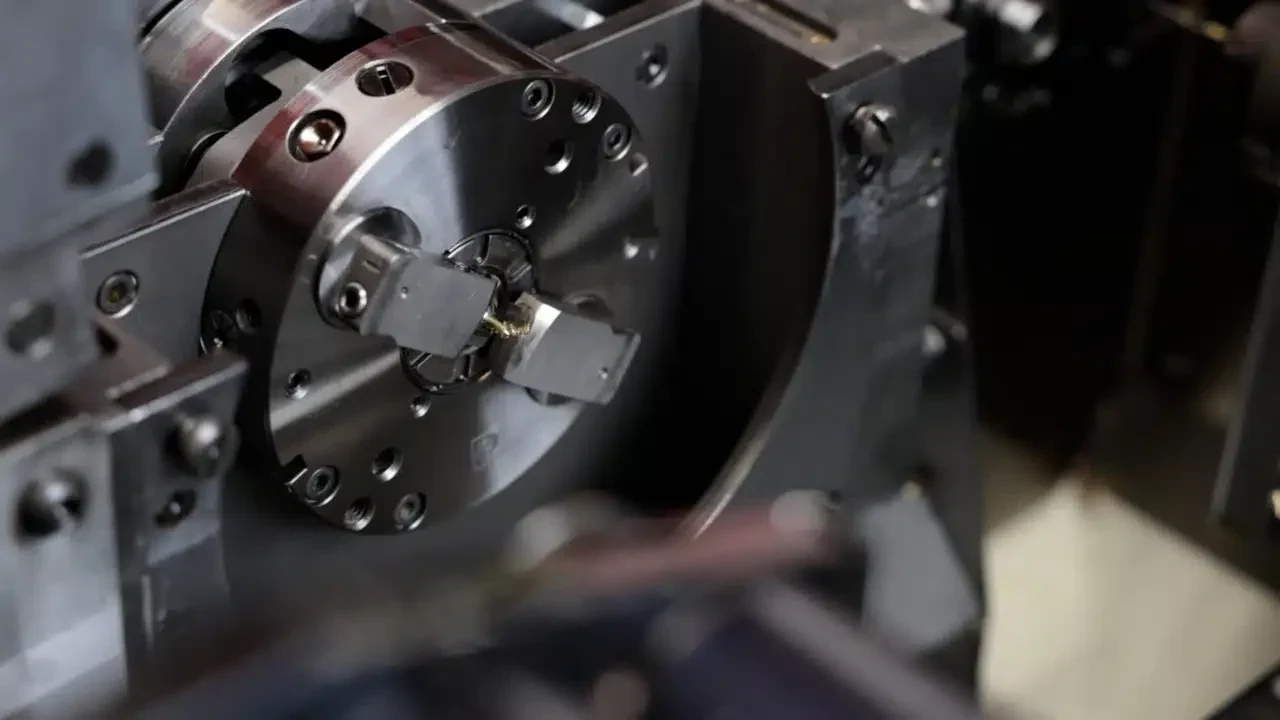
Componenti realizzati secondo disegno, specifica o campione. Forniamo particolari speciali, componenti metallici e fasteners custom secondo requisiti dimensionali e applicativi.
Analizziamo la richiesta e coordiniamo con ATTREX lo sviluppo del componente, valutando fattibilità, processo produttivo e documentazione.
Componenti di precisione
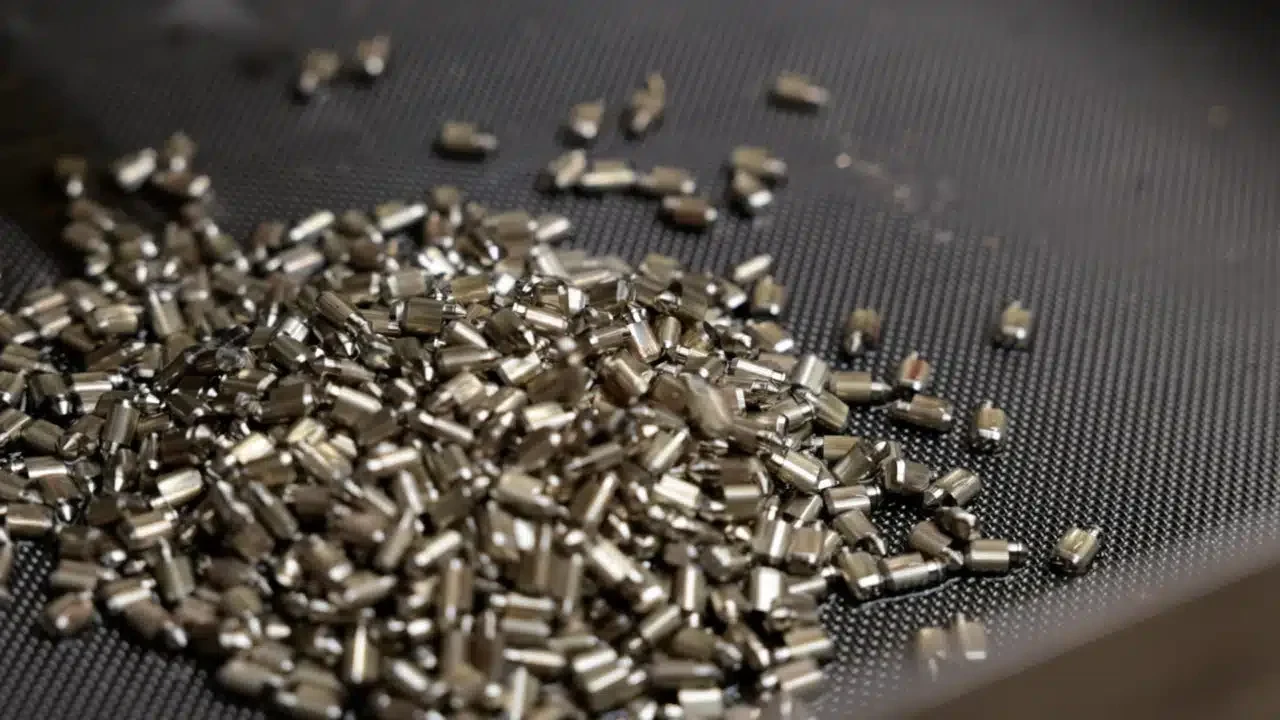
Componenti metallici di precisione per applicazioni industriali, realizzati o selezionati secondo specifiche tecniche, disegno e requisiti di produzione.
Dueemme Sidol è rappresentante esclusivo di CODEC e ADAX: particolari torniti, perni, spine e assi. Materiali, processi e tolleranze vengono valutati sulla base della tua applicazione.
Un partner per la tua
fornitura industriale
Sourcing tecnico
Ricerca dei componenti a partire da specifiche, materiali e applicazione.
02Forniture programmate
Pianificazione delle scorte, reintegri Kanban e consegne ricorrenti.
03Confezionamento
Kit, imballaggio ed etichettatura secondo i requisiti di fornitura.
04Tracciabilità
Definizione dei requisiti di identificazione dei componenti e dei lotti.
05Documentazione qualità
Documenti e certificati da concordare nella richiesta tecnica.
06Supporto logistico
Coordinamento delle esigenze di consegna e della continuità di fornitura.
Settori di applicazione


Brand e partner





Approfondimenti tecnici
Catalogo tecnico DIN / ISO
Consulta i riferimenti normativi e le informazioni tecniche per identificare il componente.
Leggi l’approfondimento ↗02 / MATERIALIMateriali e classi di resistenza
Acciaio, inox, duplex e ottone: parti dai requisiti della tua applicazione.
Leggi l’approfondimento ↗03 / SUPERFICITrattamenti superficiali
Finiture, rivestimenti e protezione anticorrosiva per gli elementi di fissaggio.
Leggi l’approfondimento ↗Cerchi un componente standard o speciale?
Inviaci il tuo disegno, la specifica tecnica o la lista dei componenti. Valuteremo la soluzione più adatta alla tua applicazione.